HAIRTWO Journal ·
Diet and Thinning Hair: Protein, Iron and What Helps
Food can’t make hair look thicker overnight, and no single “hair superfood” exists. What diet can do is stop a shortfall from adding to the problem: eating too little overall, too little protein or too little iron is linked to extra shedding. If you suspect a deficiency, a GP blood test is the only reliable way to know, so it’s worth checking before you buy supplements.
What food can and can’t do for thinning hair
The American Academy of Dermatology notes that not getting enough of some nutrients, such as iron or protein, can lead to hair loss, and that eating too few calories every day can also cause significant hair loss. That is the honest core of the “diet and hair” question: food matters most when something is missing.
The other side matters just as much. A review in Dermatology Practical & Conceptual found very limited research on supplements in people who are not deficient, and warned that in the absence of deficiency, supplementation may actually prove harmful to hair. So if your diet is already reasonable and your bloods are normal, eating “more” of anything is unlikely to change how your hair looks.
Diet also can’t override the most common reasons hair looks thinner in women, such as hormonal changes around menopause or pattern thinning that runs in families. It’s one piece of the picture, not the whole thing.
Protein: enough, every day
The same review describes shedding as a well-known effect of sudden weight loss or decreased protein intake. You don’t need special powders. You need a steady, ordinary supply.
- Aim for a protein food at each meal: eggs, fish, chicken, lean meat, Greek yoghurt, cheese, tofu, beans, lentils or chickpeas.
- Be wary of crash diets and very low-calorie plans. If you’re losing weight, slower and steadier is kinder to your hair.
- If you’ve cut out meat or dairy, check you’ve replaced that protein rather than just dropped it.
If you’ve had a big change in eating, an illness or rapid weight loss, shedding may not show up straight away, so mention any recent changes to your GP.
Iron: the one most worth checking
The NHS lists heavy periods and pregnancy as very common causes of iron deficiency anaemia, and notes that noticing more hair coming out when you brush or wash it is a less common symptom. The more typical signs are tiredness, lack of energy, shortness of breath, palpitations, paler skin than usual and headaches.
Iron-rich foods recommended by the NHS include:
- dark-green leafy vegetables such as watercress and curly kale
- fortified breakfast cereals and bread
- meat
- dried fruit such as apricots, prunes and raisins
- pulses: beans, peas and lentils
The NHS also suggests limiting tea, coffee, milk and dairy, and foods high in phytic acid such as wholegrain cereals, because they can make it harder for your body to absorb iron. A simple habit: have your cup of tea between meals rather than with an iron-rich one.
One point the top search results often skip: the link between low iron stores and hair loss is not settled. The Dermatology Practical & Conceptual review says the connection is clearest when iron deficiency causes anaemia, and that studies on low iron without anaemia disagree. That’s another reason not to self-diagnose from a mirror.
Vitamin D and the “more is better” myth
In the UK, the NHS advises everyone to consider a daily 10 microgram vitamin D supplement in autumn and winter, because sunlight isn’t strong enough from October to early March and it’s hard to get enough from food alone. That is general health advice, not a hair treatment.
Beyond that, be cautious with “hair, skin and nails” products. The AAD points out that, in the US, supplements advertised for hair growth aren’t reviewed by regulators before they’re sold and can do more harm than good, and that getting too much selenium, vitamin A or vitamin E has been linked to hair loss.
A simple everyday checklist
- Eat enough. Regular meals, no prolonged very low-calorie dieting.
- Protein at every meal. Animal or plant, whichever suits you.
- Iron foods most days, especially if you have heavy periods or eat little meat.
- Time your tea and coffee away from iron-rich meals.
- Vitamin D in autumn and winter, as the NHS suggests for everyone.
- Skip stacking supplements unless a blood test shows you need one.
- Give it time. Hair grows slowly, so judge changes over months, not weeks.
When to see a GP
Book an appointment if you notice sudden, patchy or heavy shedding, if hair loss comes with tiredness, breathlessness, palpitations or very heavy periods, or if you’ve recently lost a lot of weight. Your GP can arrange blood tests and look for the cause, rather than you guessing with supplements. If you’re not sure what to ask for, our guide to blood tests for thinning hair and what to ask your GP walks you through it. A dermatologist referral may help if the cause isn’t clear.
Where a gentle routine fits in
Good food supports your body from the inside; how you treat your hair and scalp day to day is the other half. If your hair looks thinner, a kind, consistent routine can help it look and feel its best while you sort out the bigger picture with your GP.
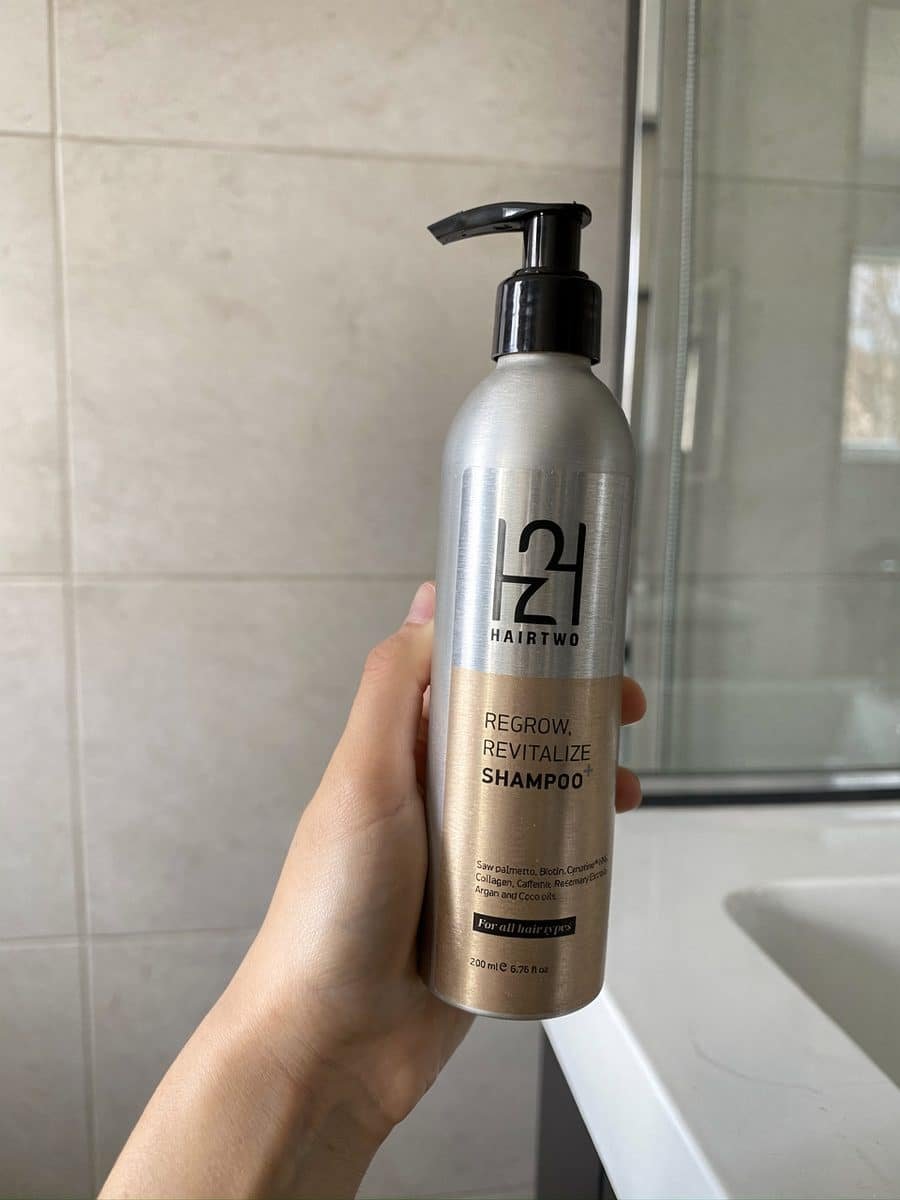
That’s what the HAIRTWO hair routine kit is for: four simple steps (a sulfate-free shampoo, a conditioner, a leave-in scalp serum with Capilia Longa™ and a 0.5 mm titanium scalp roller), made in France and shipped directly from there. One kit lasts about 45 days, and there’s a 150-day money-back guarantee, so you can try it alongside your eating changes without pressure. It’s scalp care and cosmetic support, not a substitute for medical advice.
Sources
- NHS: Iron deficiency anaemia
- NHS: Vitamin D
- American Academy of Dermatology: Hair loss tips for managing
- Guo EL, Katta R. Diet and hair loss: effects of nutrient deficiency and supplement use. Dermatol Pract Concept, 2017
Written by the HAIRTWO team with the help of AI tools and checked against the sources above. General information, not medical advice.